
Artistic Research
Postdigital Mirrors
Postdigital Mirrors
Constructing the Self in the Postdigital Age
Artistic Research on Perception through Live Video and Hybrid Reflective Environments

Mirrors have always been more than objects. They are thresholds between body and image, presence and projection, self and other. In contemporary culture, this threshold has shifted. The mirror is no longer confined to a reflective surface. Screens, live video, and networked images have become everyday mirrors, continuously producing and modulating our sense of self.
In a postdigital condition, the distinction between analog and digital experience has lost its relevance. The body exists simultaneously here and elsewhere, embedded in physical space while being continuously mirrored, recorded, and redistributed through technical systems. The smartphone has become a pocket mirror of our time, a device through which we observe ourselves, perform ourselves, and consume our own mediated presence.
My artistic research explores this transformation of self-perception through what I call postdigital mirrors: hybrid installation environments in which live video, spatial composition, sound, and narrative elements converge. These mirrors do not simply reflect the viewer. They actively participate in the construction of perception. They introduce temporal delays, spatial displacements, and affective layers between the body and its image, turning self-observation into an unstable, processual experience.
Unlike classical mirrors, which return an image immediately and unchanged, postdigital mirrors operate as situations. They create conditions in which viewers encounter themselves embedded in unfamiliar contexts: standing on a stage before an invisible audience, placed within cinematic scenes, or positioned at the edge of spaces they cannot physically access. The mirror becomes an environment rather than a surface.
Central to this work is the use of live video and closed-circuit techniques. Viewers see themselves in real time, yet never simply as they are. Their image is keyed into pre-filmed or digitally constructed spaces, merging presence and representation into a single perceptual field. This simultaneity destabilizes habitual modes of self-recognition. The viewer becomes both subject and object, observer and observed.
These installations are deliberately interpassive rather than interactive. The viewer does not control the system. Nothing can be changed, pressed, or optimized. Instead, the apparatus unfolds autonomously. This withdrawal of agency mirrors contemporary experiences of digital self-representation, where individuals continuously produce images of themselves while having little influence over the systems that frame, circulate, and evaluate these images. The viewer encounters themselves as part of a process rather than as an author of it.
The mirror, in this sense, functions as an epistemic situation. It does not explain how self-perception works; it makes its mechanisms perceptible. Self-awareness emerges through irritation, delay, and contradiction. Viewers may experience a shift between first-person and third-person perspectives, being inside a situation while simultaneously observing themselves from the outside. This oscillation reveals how identity is not a stable core but a mediated construction, continuously negotiated through images, spaces, and affects.
Historically, mirrors have played a central role in art, philosophy, and psychoanalysis, from symbolic objects and vanitas motifs to Jacques Lacan’s mirror stage as a formative moment of self-recognition and alienation. In the postdigital condition, this mirror relation is no longer confined to a singular developmental moment. It is endlessly repeated through screens, live images, and networked representations. The mirror stage becomes a continuous loop.
My installations extend this lineage into contemporary media environments. They are informed by traditions of closed-circuit video art, expanded cinema, and media philosophy, while responding to current conditions of ubiquitous screens, self-surveillance, and performative visibility. The mirror is no longer a metaphor. It is an operative structure that shapes how perception, affect, and self-awareness emerge.
Postdigital mirrors operate across multiple sensory channels. Beyond visual reflection, sound, light, and spatial arrangement play a crucial role in shaping embodied experience. Perception unfolds not only through seeing oneself, but through resonance, atmosphere, and the felt relation between body and environment. The installations function as temporary spaces in which viewers can experience themselves as part of a larger perceptual system.
This artistic research does not aim to define identity or to offer interpretations of the self. Instead, it creates situations in which the construction of the self becomes observable. Knowledge emerges through experience rather than explanation. The viewer’s encounter with their own mediated image becomes a research event, an embodied moment in which normally invisible processes of self-construction are brought to the surface.
Postdigital Mirrors is an ongoing investigation into what it means to perceive oneself in an age where mirrors are everywhere, images circulate endlessly, and presence is always already mediated. Through artistic installations, I explore how these conditions reshape our relationship to ourselves, to others, and to the spaces we inhabit.
Related Works
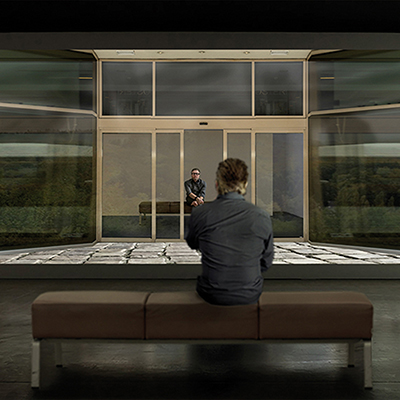
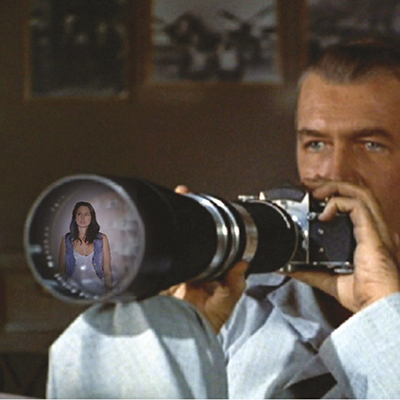
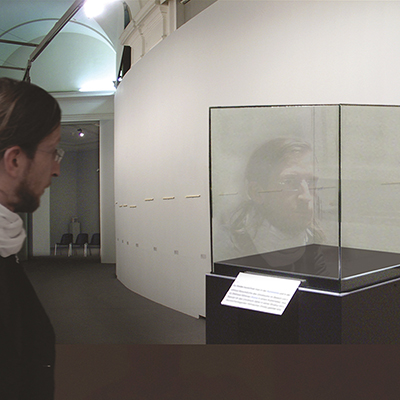
Related News
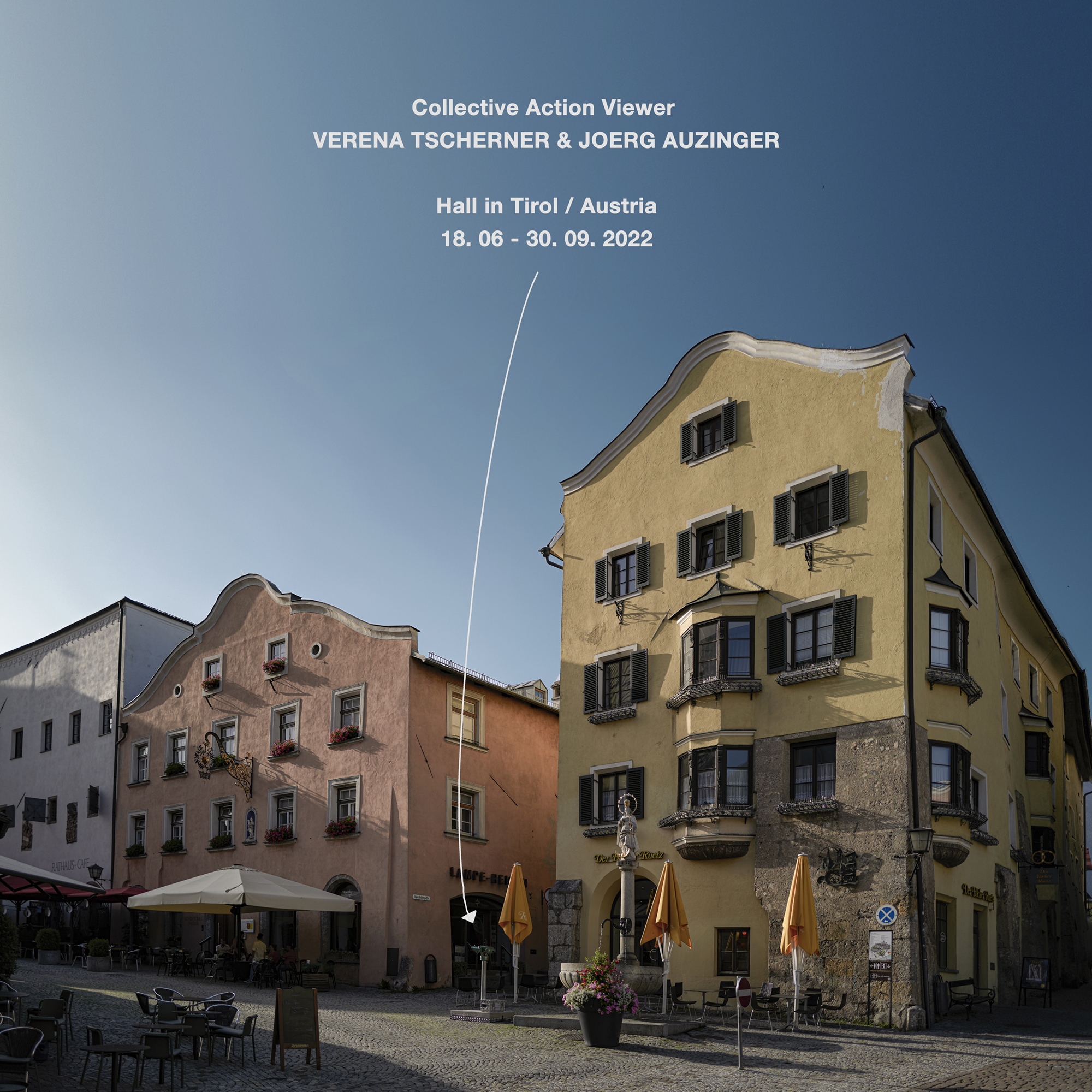
Collective Action Viewer 3
Kooperation mit Verena Tscherner Collective Action Viewer Collective Action Viewer interaktive und partizipative Medienskulptur für den öffentlichen Raum Der Collective Action Viewer stellt unsere [...]
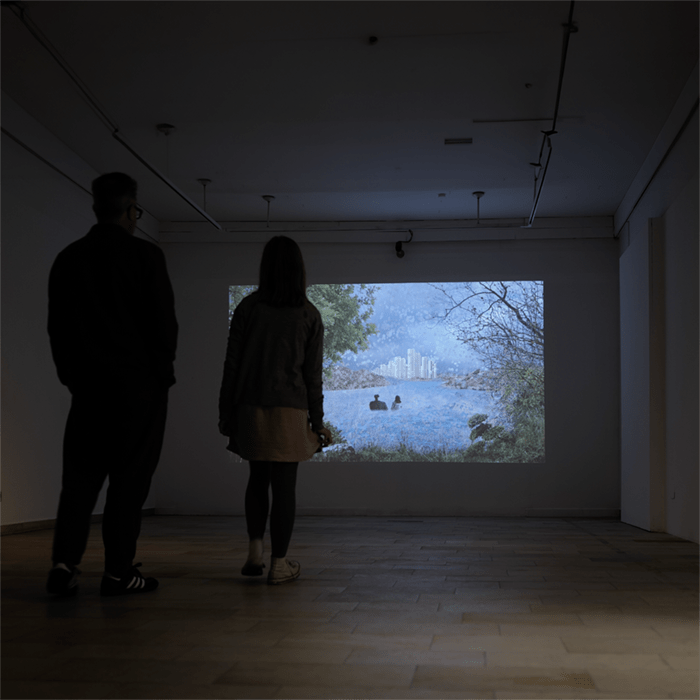
Solo Show Hybris
Exhibition / Personale Hybris Video Teaser: JOERG AUZINGER - HYBRIS Hybris ist der Titel der aktuellen interaktiven Videoinstallation von [...]
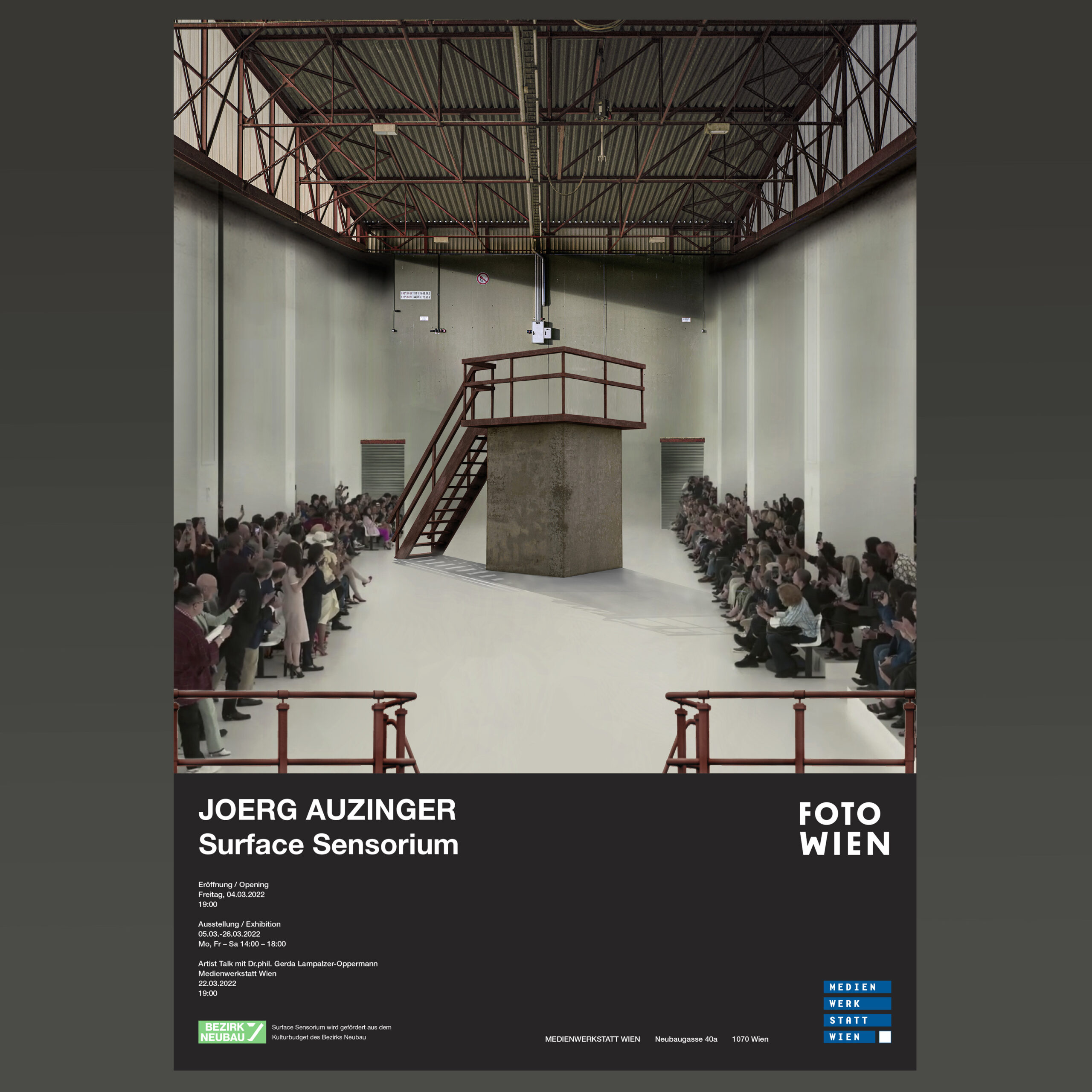
FOTO WIEN
Exhibition Medienwerkstatt Wien Surface Sensorium interaktive Videoinstallation von Joerg Auzinger im Rahmen der FOTO WIEN 2022 MEDIENWERKSTATT WIEN Neubaugasse 40a 1070 [...]
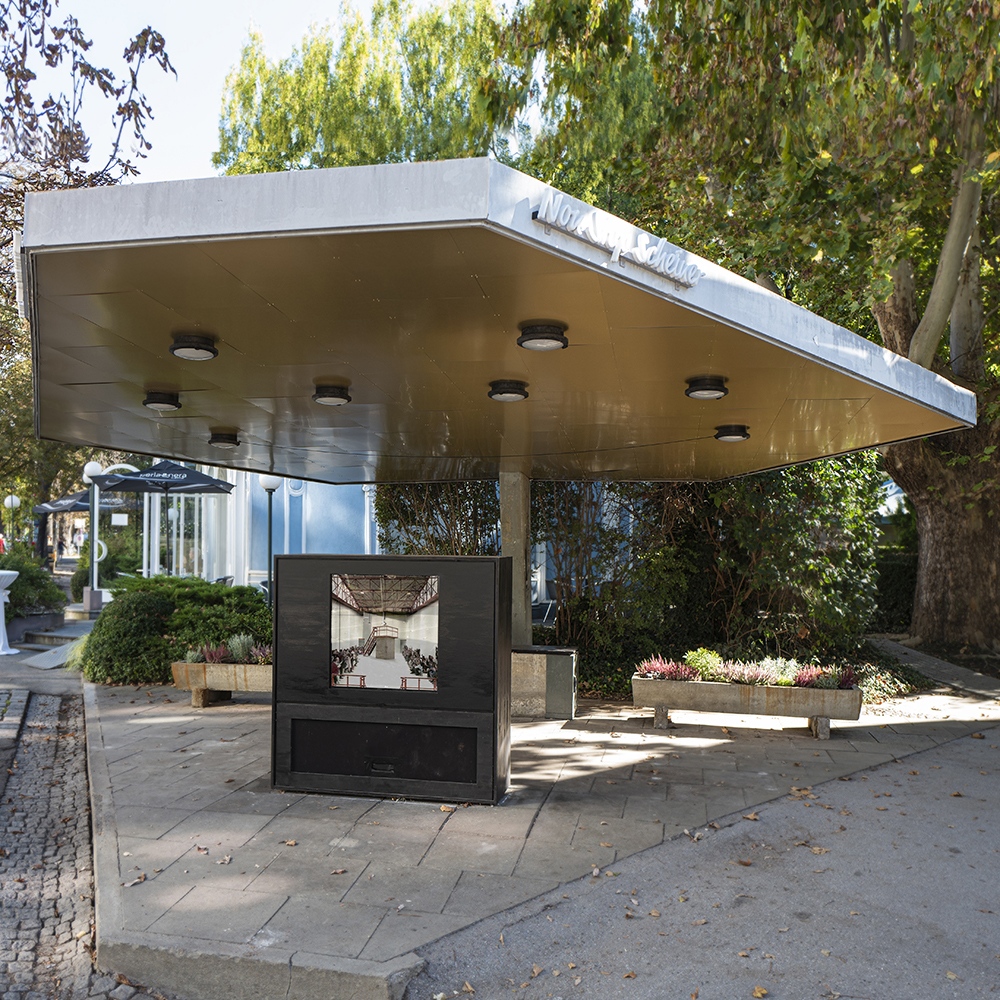
NonStopScheiner
Exhibition NonStopScheiner Surface Sensorium interaktive Videoinstallation im öffentlichen Raum von Joerg Auzinger Eröffnung: Donnerstag, 08.10.2020, 17:00 Uhr NonStopScheiner Opernring 17 (neben [...]